
Go Beyond Open Circuit: Dive Rite O2ptima CM Rebreather Training
Discover a Different Way to Dive
For experienced divers ready to take the next step in their diving, closed circuit rebreather training opens an entirely new world of possibilities.
The Dive Shop Kansas City now offers unit-specific training on the Dive Rite O2ptima CM Chest Mount Closed Circuit Rebreather — a compact, versatile electronically controlled closed circuit rebreather designed for divers who want to expand their capabilities while maintaining flexibility in their equipment configuration.
Whether your goals include longer dives, technical diving, wreck exploration, cave diving, underwater photography, or simply developing an entirely new set of diving skills, learning to dive a CCR represents a major step forward in your development as a diver.
Rebreather diving isn't simply open-circuit scuba with different equipment. It requires a new mindset, new procedures, disciplined preparation, and a thorough understanding of the life-support system you're using.
That's exactly what this training is designed to develop.
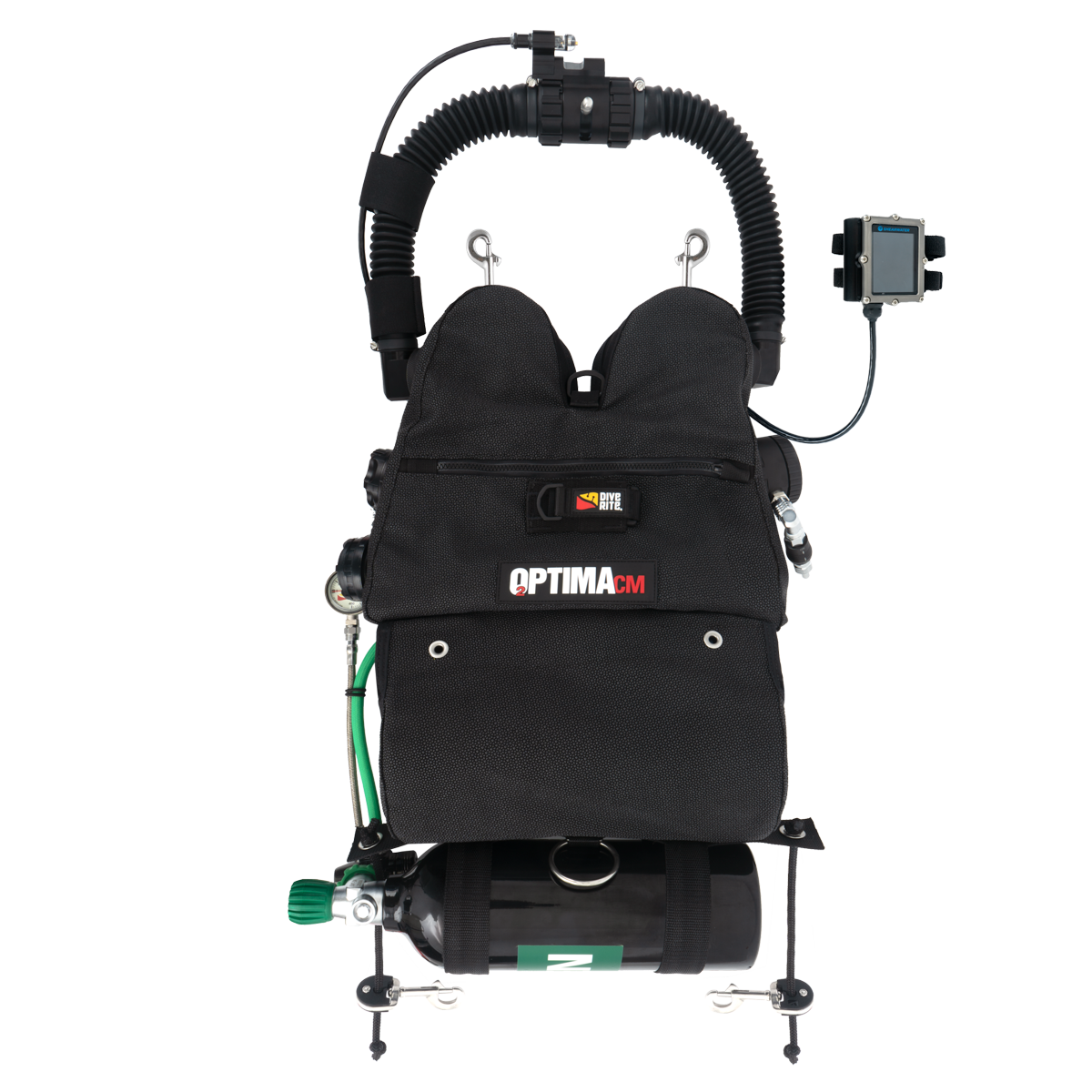 What Is the Dive Rite O2ptima CM?
The Dive Rite O2ptima CM is a chest-mounted, electronically controlled, constant PPO2 fully closed circuit rebreather (eCCR).
Unlike traditional open-circuit scuba, where each exhaled breath is released into the water, a closed circuit rebreather recirculates the diver's breathing gas. Carbon dioxide is removed from the breathing loop while oxygen is monitored and added as needed.
The result is an extremely efficient breathing system capable of providing significant advantages for appropriately trained divers.
The O2ptima CM takes a unique approach by placing the rebreather on the diver's chest rather than incorporating it into a dedicated back-mounted system.
Its compact design can integrate with a variety of diving configurations, including:
-
Back-mounted doubles
-
Sidemount systems
-
Single-cylinder configurations
-
Technical bailout configurations
The unit incorporates redundant Shearwater DiveCAN electronics, a heads-up display and controller, a six-liter total breathing-loop volume, onboard oxygen, and a scrubber capable of utilizing either Micropore ExtendAir cartridges or loose granular absorbent.
The result is a remarkably flexible CCR platform that can grow with the diver and the type of diving they choose to pursue.
Why Dive a Closed Circuit Rebreather?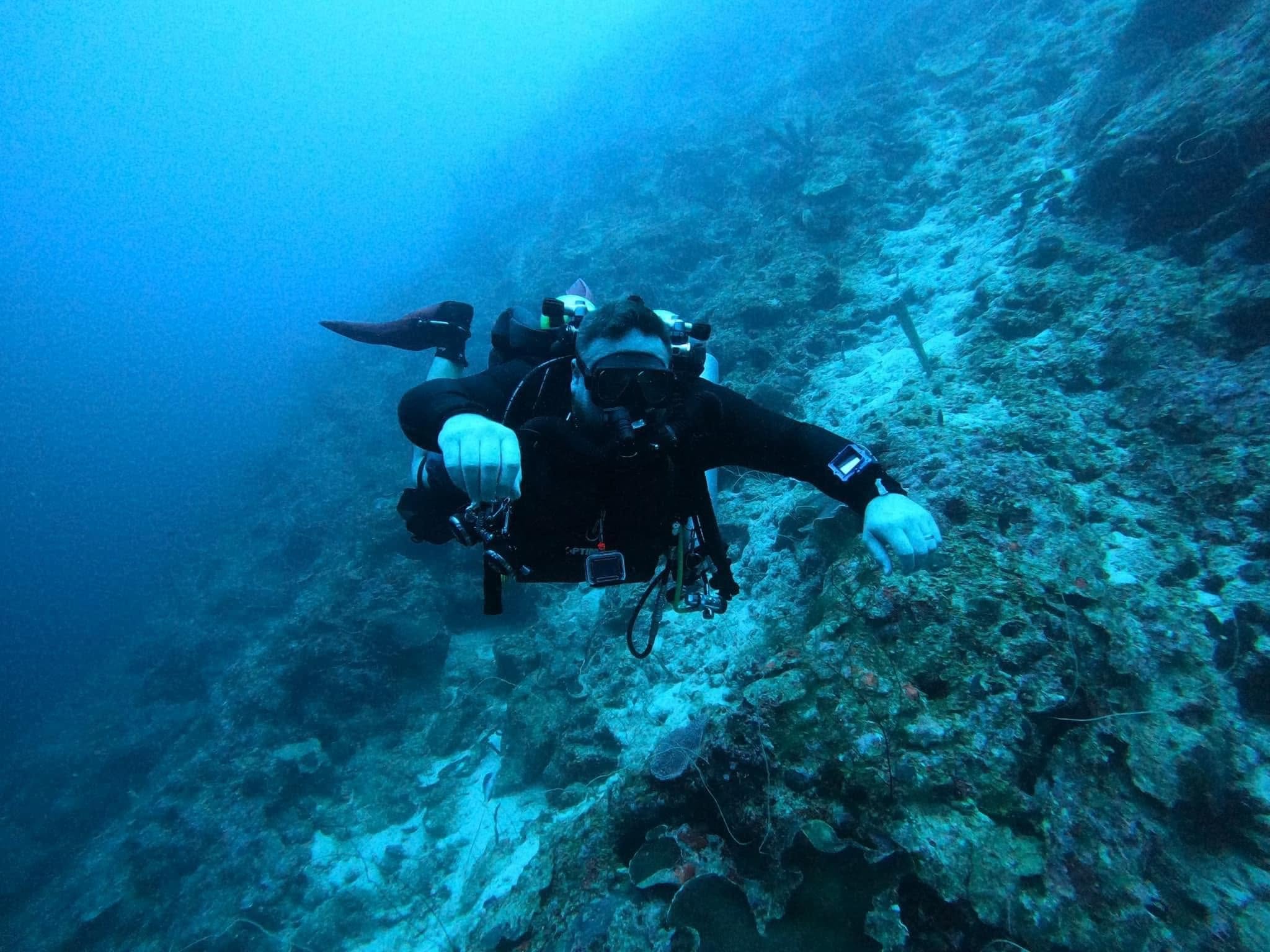
Rebreathers offer capabilities that simply aren't possible with conventional open-circuit scuba.
Dramatically Improved Gas Efficiency
On open circuit, every breath you exhale is lost to the surrounding water. A CCR recycles that breathing gas while replacing only the oxygen your body actually consumes.
For properly trained divers, that efficiency can significantly change how gas supply factors into dive planning.
Optimized Breathing Gas
Rather than breathing a fixed nitrox mixture, an electronically controlled CCR continually manages the oxygen content of the breathing loop.
Maintaining a target partial pressure of oxygen allows the breathing mixture to change as depth changes.
Quiet Diving
Closed circuit means virtually no exhaust bubbles during normal operation.
That makes CCR diving particularly attractive to underwater photographers, videographers and divers who want to approach marine life with significantly less disturbance.
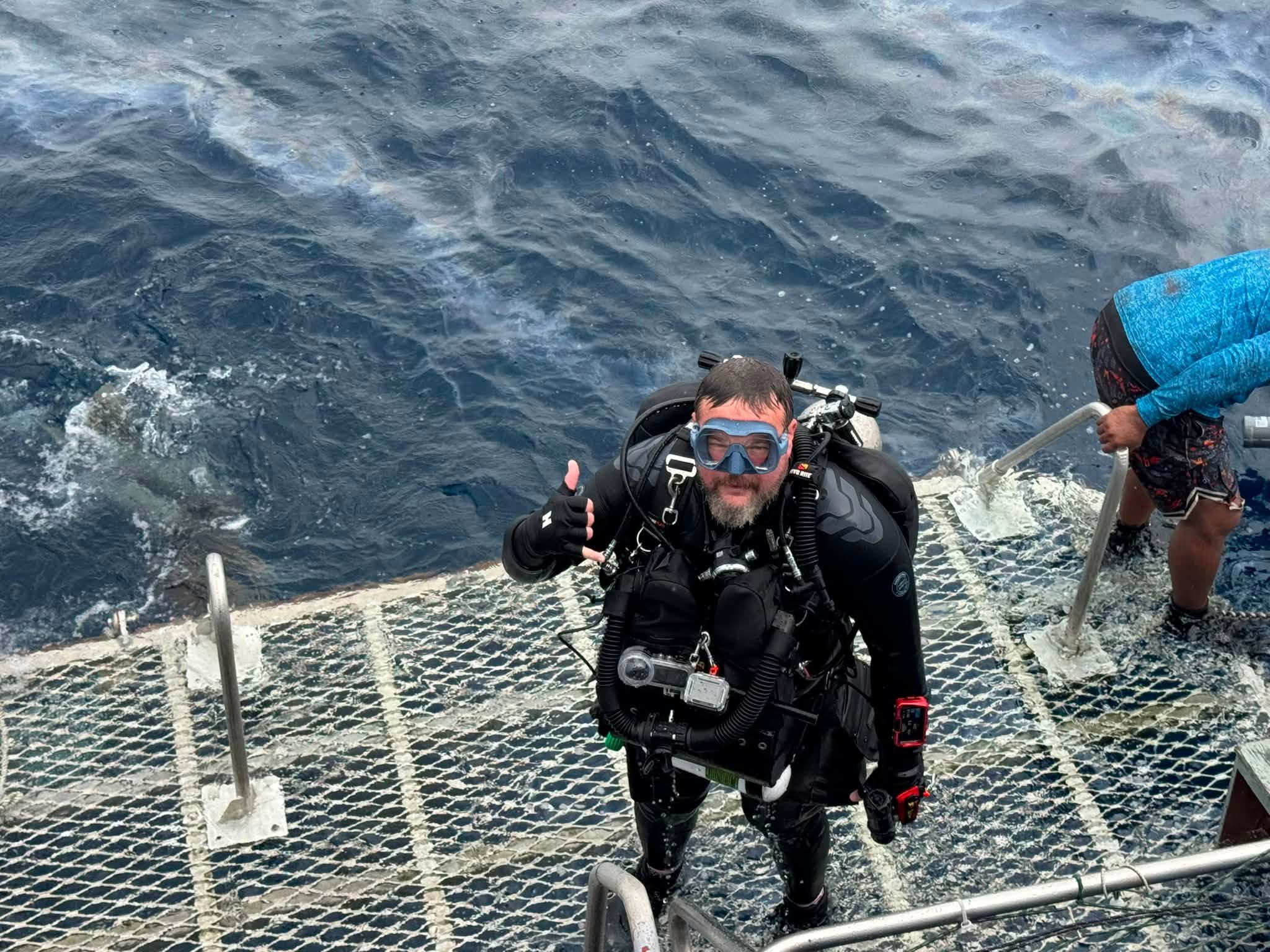 A Platform for Advanced Exploration
Rebreathers have become an important tool for advanced wreck, cave, expedition and technical diving.
The O2ptima CM provides an especially interesting platform because its chest-mounted configuration can be integrated with several different equipment systems rather than forcing the diver into one dedicated configuration.
Who Should Consider O2ptima CM Training?
Rebreather training is intended for experienced divers who already possess strong foundational scuba skills and are ready for a considerably more disciplined approach to diving.
Good CCR candidates are divers who are comfortable with:
-
Precise buoyancy and trim
-
Dive planning and gas management
-
Following detailed equipment procedures and checklists
-
Managing task loading underwater
-
Responding calmly to equipment problems
-
Continually monitoring their breathing system
-
Accepting greater personal responsibility for equipment preparation and dive execution
CCR diving rewards disciplined divers.
Small shortcuts that might seem insignificant in recreational diving can have serious consequences when using a rebreather. Successful CCR divers develop a methodical approach to assembling, testing, diving and maintaining their equipment.
O2ptima CM Training Prerequisites
Rebreather training is not an entry-level scuba course.
Exact prerequisites depend upon the certification level being pursued and the diver's previous training and CCR experience.
Before enrolling, we'll review your current certifications, logged dives, technical-diving experience and overall comfort in the water to determine the appropriate training path.
Divers should arrive with strong fundamental skills including buoyancy, trim, propulsion techniques, situational awareness and equipment management.
If additional preparation would benefit you before beginning CCR training, we'll help you develop a training path to get there.
What You'll Learn
Learning to dive a CCR means learning an entirely new life-support system.
Training combines academic development, equipment workshops, confined-water skill development and open-water diving.
O2ptima CM Assembly & Configuration
You'll become intimately familiar with the components of the O2ptima CM and learn how the breathing loop, counterlungs, scrubber, oxygen system, electronics and diluent supply work together.
You'll repeatedly assemble and disassemble the unit until the process becomes deliberate and systematic.
Rebreather Pre-Dive Procedures
CCR diving begins long before entering the water.
You'll learn proper pre-dive procedures, including unit preparation, oxygen sensor calibration, positive and negative pressure testing, breathing-loop checks, electronics verification and the use of standardized checklists.
Oxygen Management
Understanding PPO2 is fundamental to rebreather diving.
You'll learn how the O2ptima CM monitors and controls oxygen within the breathing loop and, equally importantly, how the diver independently verifies that the unit is operating correctly.
Loop Volume Management
CCR buoyancy control introduces an additional variable: the breathing loop itself.
You'll learn to manage loop volume while maintaining proper buoyancy, trim and breathing comfort throughout descents, ascents and the working portion of the dive.
Bailout Procedures
Every rebreather diver must be prepared to stop using the breathing loop when necessary.
You'll practice recognizing problems, making bailout decisions, transitioning to open-circuit bailout gas and managing the remainder of the dive.
Emergency & Problem-Solving Skills
Training includes recognizing and responding to potential CCR problems such as inappropriate PPO2, electronics issues, gas-addition problems, loop flooding and other situations requiring immediate diver intervention.
The goal isn't simply to memorize procedures.
It's to develop a diver who can recognize when something isn't right, identify the appropriate response and execute it calmly.
A Different Kind of Diving
One of the biggest changes when transitioning to CCR isn't the equipment.
It's the diver.
Rebreather diving demands greater awareness, preparation and discipline. You'll find yourself thinking differently about equipment preparation, gas planning, decompression, bailout, team procedures and the dive itself.
That learning process is one of the reasons many experienced divers find CCR training so rewarding.
You're not simply earning another certification.
You're learning an entirely new way to dive.
Why the O2ptima CM?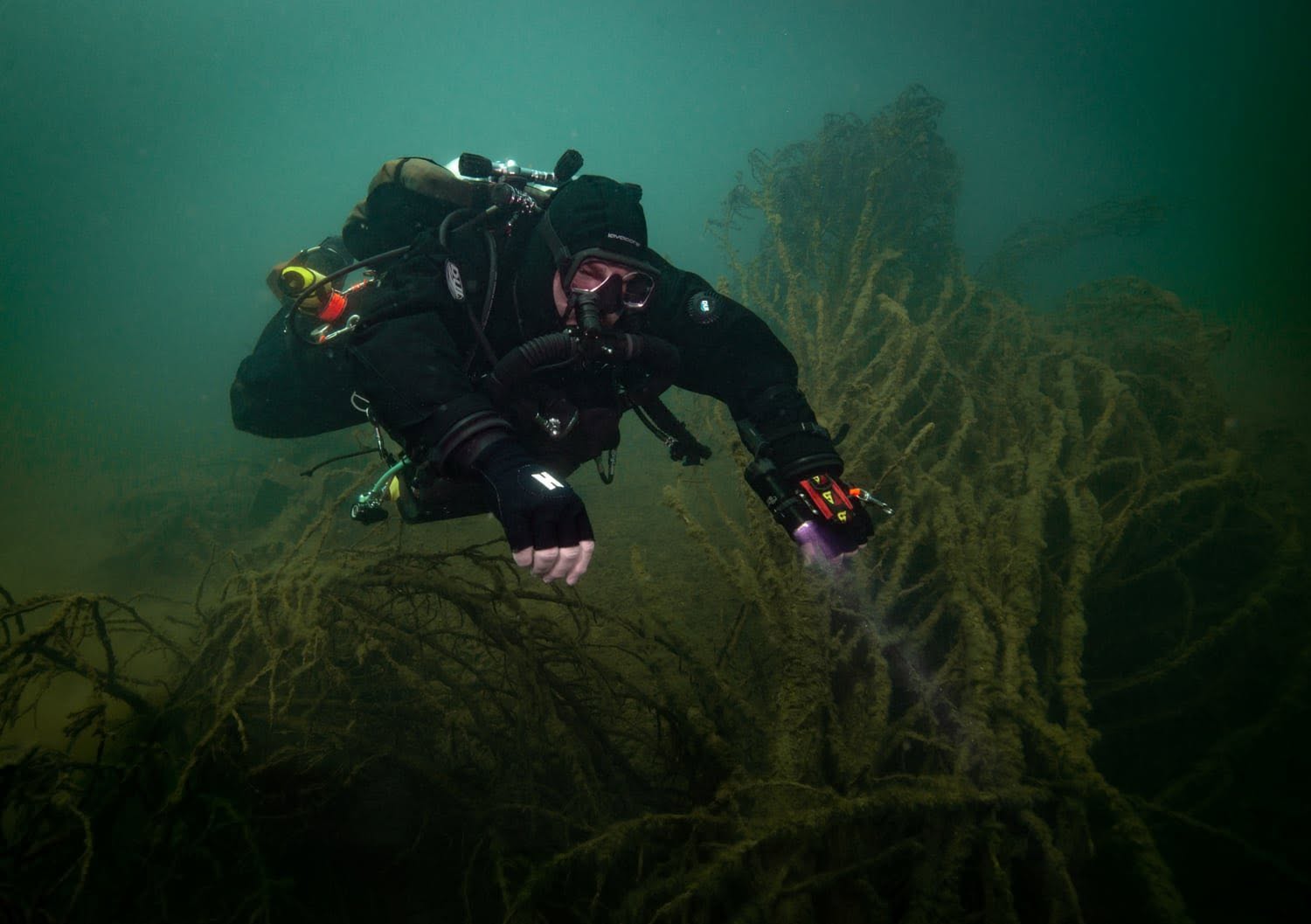
The O2ptima CM offers a combination of portability and configuration flexibility that's difficult to achieve with many traditional rebreathers.
At approximately 14.4 pounds without the oxygen cylinder or scrubber material, the unit is compact enough to be particularly attractive to traveling divers.
Because it attaches directly to the diver's harness, the same CCR can also be incorporated into different configurations as your diving evolves.
That makes the O2ptima CM an intriguing option for divers whose future may include recreational CCR diving, technical diving, sidemount, wreck exploration, cave diving or expedition-style diving.
Your CCR Journey Starts at The Dive Shop Kansas City
Moving from open circuit to closed circuit is one of the most significant transitions a diver can make.
We approach rebreather training accordingly.
Our goal isn't simply to get you through the required dives and issue another certification card. We want you to leave training with a thorough understanding of your O2ptima CM, strong fundamental CCR skills, disciplined procedures and a healthy respect for the additional responsibilities that come with closed circuit diving.
If you're curious about rebreathers but aren't sure whether you're ready, start with a conversation.
We'll review your experience, discuss your diving goals and help determine whether the Dive Rite O2ptima CM is the right platform for where you want your diving to go.
Ready to Go Closed Circuit?
Contact The Dive Shop Kansas City to discuss O2ptima CM training, prerequisites, course scheduling and equipment options.
Your next evolution as a diver may happen without making a single bubble.